Updraft is on the App Store
How ready you are each morning, what every workout did, and whether your training is working. Free to download today.
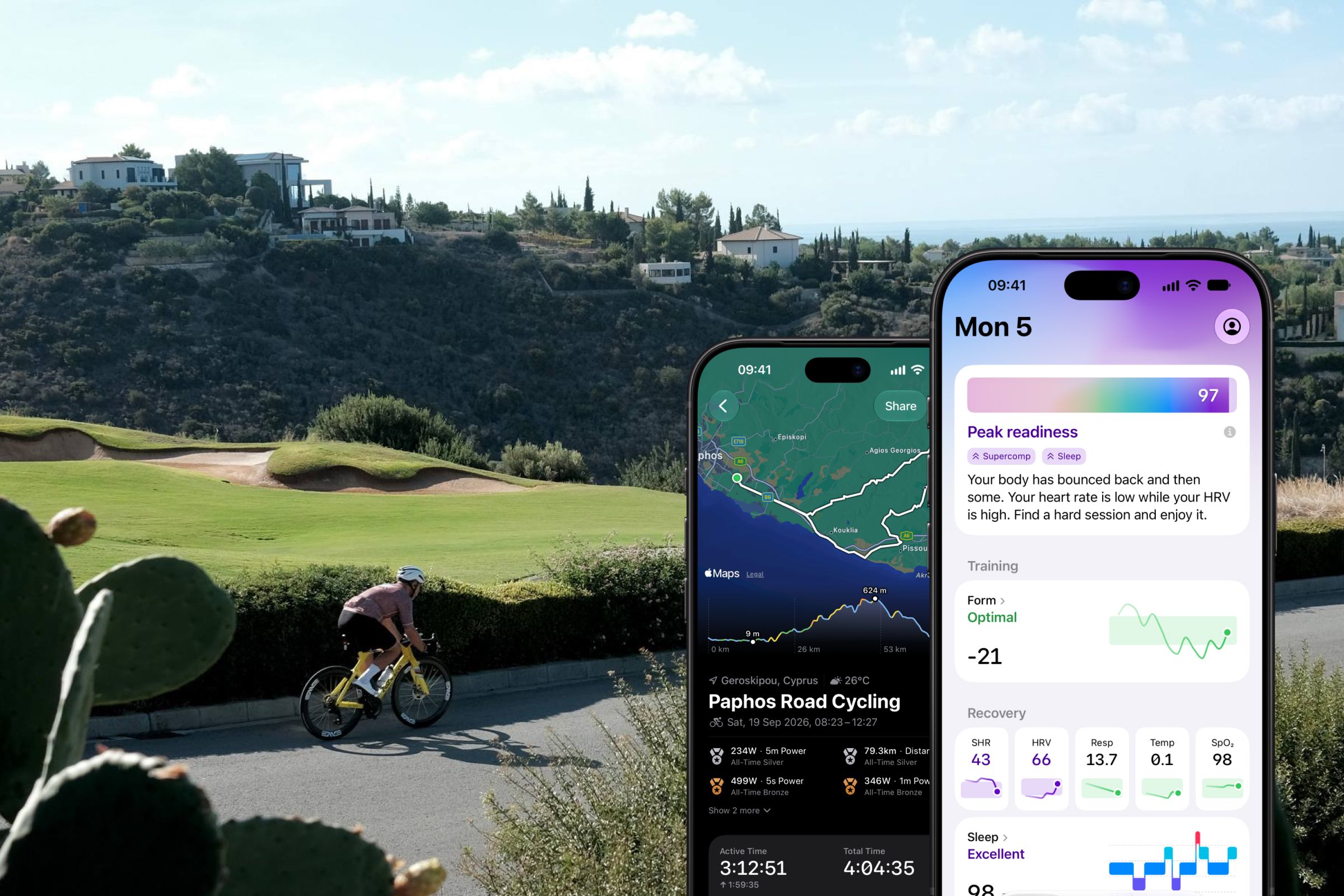
Updraft is a training app for cyclists and runners, and today it’s on the App Store.
It started from a gap I kept running into. Workout trackers record everything and explain very little: you get an average heart rate and a map, and working out what the session actually did is up to you. The serious training platforms explain plenty, but they come wrapped in coaching plans and calendars, cost far more, and rarely feel at home on a phone.
Updraft keeps the depth and leaves the rest: the analysis that actually changes how you train, in a native iPhone app, alongside the recovery data already in Apple Health.
Every morning
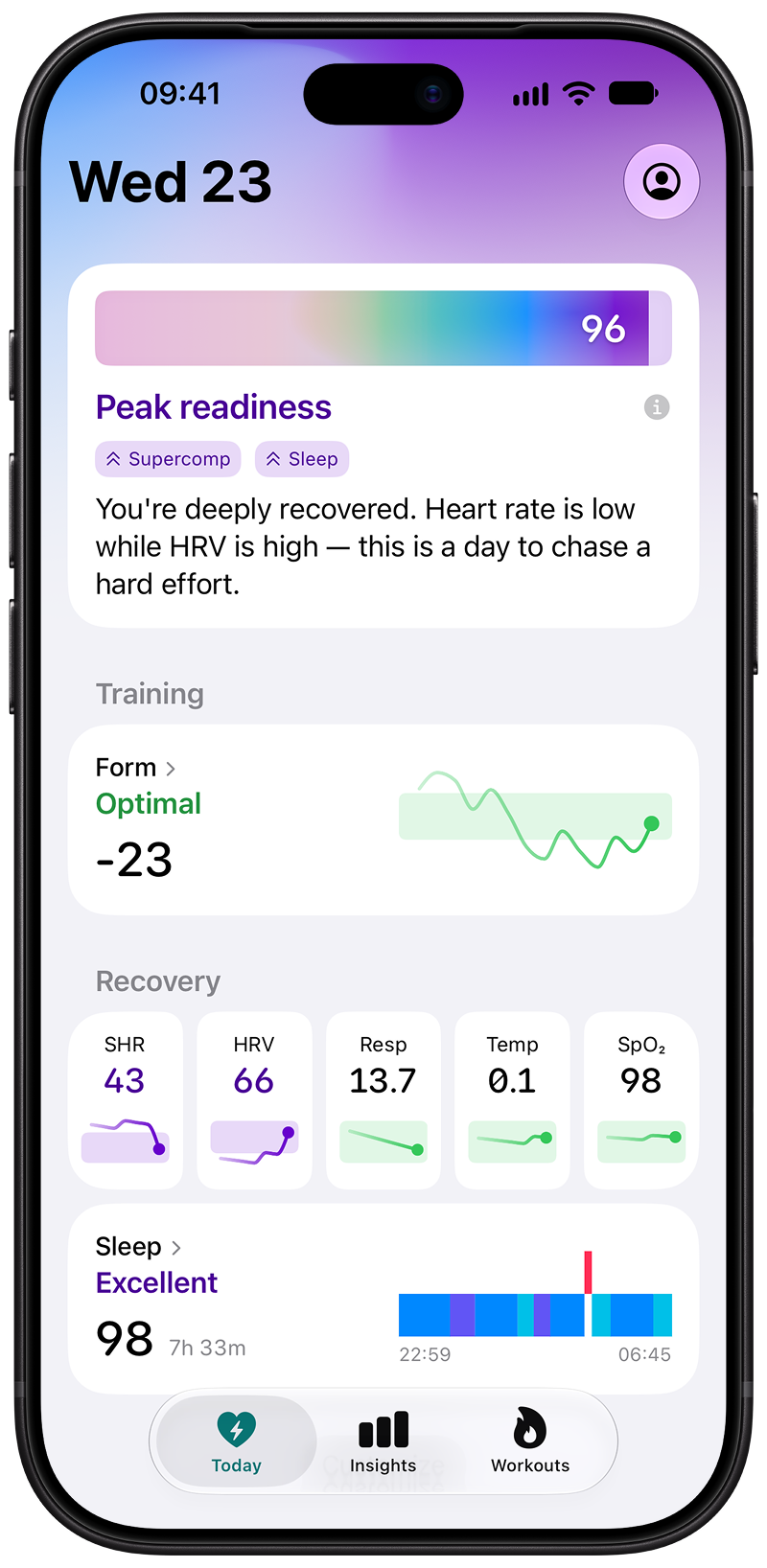
Most mornings the real question is simple: push today, or back off? Readiness answers it with a score from 0 to 100 and three sentences: what the score means, what drove it, and what to do with the day.
The score compares last night with your own baseline, not a population average. An HRV of 60 means one thing for you and something else for the next person, so Updraft learns your normal range over the past 60 days and looks at how far last night sits from it. It reads your heart rate during sleep by default, which is steadier than a single daytime reading. The chips under the score show which signals moved it. Recent training counts too: if your load has jumped well above what you’re used to, the score accounts for it even after a good night.
Form sits next to it, showing whether you’re fresh or still carrying the fatigue of the past few weeks.
After every workout
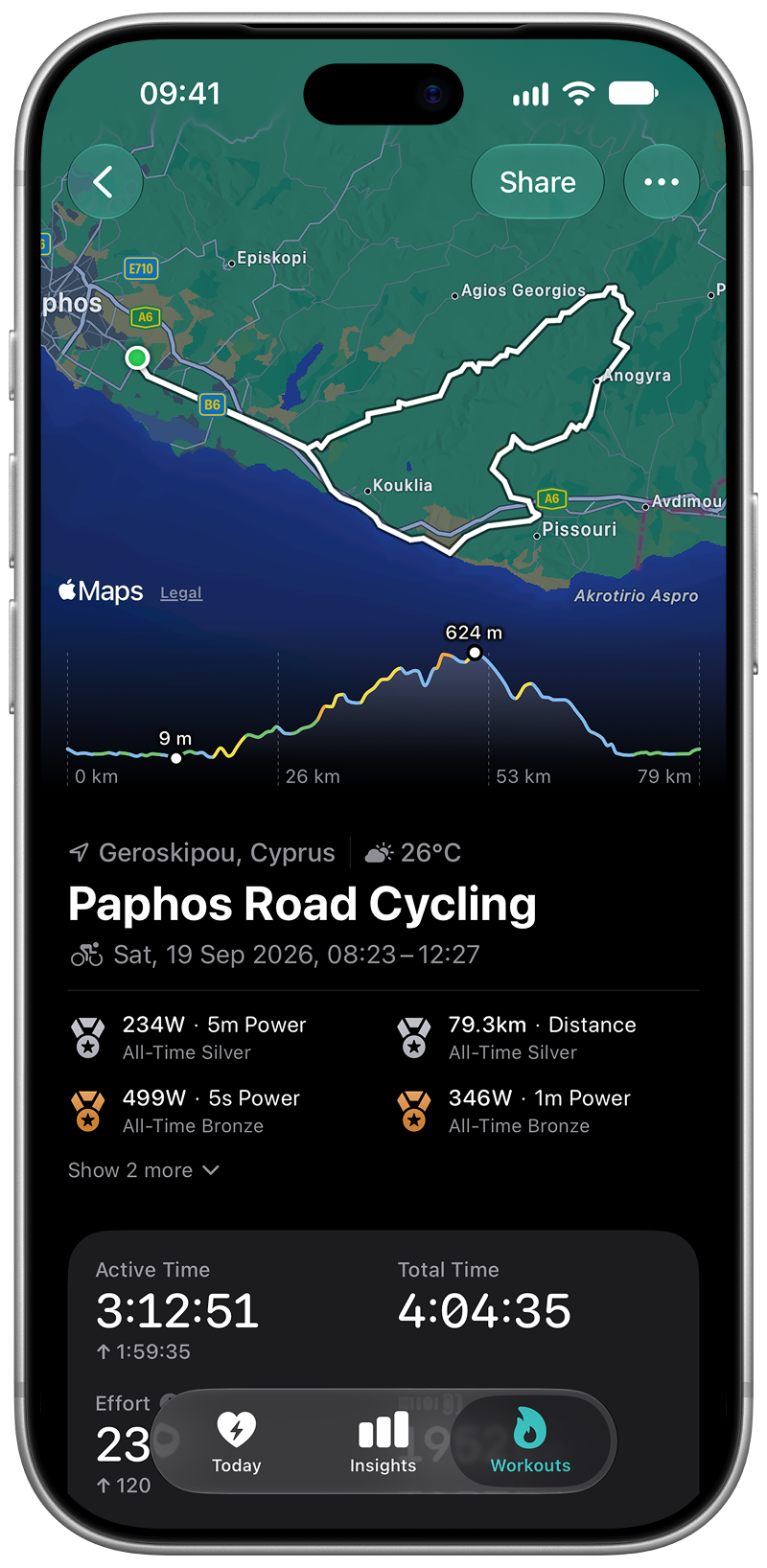
When a ride or run reaches Apple Health, the useful question isn’t what your average heart rate was. It’s what the session did. So every workout gets a stimulus, from Recovery and Aerobic Base through Tempo and Threshold to VO2 Max and Anaerobic, and an Effort score for the load it added.
Effort is on one scale whether you rode with a power meter or ran with just a heart rate strap, with an hour at threshold worth 100, so a long easy run and a short hard ride compare fairly. Each session is also set against your sessions of the same sport from the last 60 days, so “that felt hard” gets an answer: harder than usual, or about the same.
The details are there when you want them: route and elevation, heart rate and power charts, time in each zone, and any records you set along the way.
Each workout also keeps the settings it was analyzed with: your zones, your FTP, and your weight on the day. Raising your FTP after a good block doesn’t quietly rewrite last year’s rides. When you want older workouts to use your new numbers, you reanalyze them.
Over the season
Every few weeks, it’s worth stepping back, and that’s what Updraft Pro is for. Fitness shows whether your training is building, week by week.
Intensity Zones looks at your last four weeks and compares your mix of easy and hard training with the model you train by: polarized, pyramidal, or threshold. If you set out to train polarized but most of your time ends up in the middle, you’ll see it.
On the bike, the Power Profile grades your best efforts at each duration, from a 5-second sprint to an hour, against riders of your age and sex. There’s deliberately no single overall grade, because an average would hide the shape that makes you a sprinter or a climber. Your rider type comes from that shape too, read from the curve itself rather than your FTP setting, so changing a number in Settings can’t relabel you.
Critical Power and W′, every Personal Record in one place, and goals for the week, the month, or the year round it out.
What’s free
The line between free and Pro follows one rule: what you need day to day is free, for good. That’s Readiness, Form, every workout’s stimulus, Effort, charts, map, and zones, sharing any workout as a poster, your Weekly Streak, and importing workouts from Intervals.icu.
Pro adds the long view: Fitness, Intensity Zones, the Power Profile and Critical Power, Personal Records, goals, longer history, advanced workout metrics, and home-screen widgets. It’s free for a week, then from $2.92 a month, paid yearly. Or $99.99 once, for good.
Your data
There’s no account to create and nothing to log. Updraft reads what you already record in Apple Health, and your health data never leaves your iPhone.
What’s next
This is the first release. An Apple Watch app comes next. Beyond that, on the list: a history of your readiness, more depth for runners, the new recovery HRV in iOS 27, more platforms to bring workouts in from, and more languages.
Updraft needs an iPhone with iOS 26 or later. If something doesn’t work the way you expect, or you have an idea, use Send Feedback in Settings or write to support@updraft.cc.
Gadzhi · Designer and developer
 Updraft